Tree Health & Planting on the north side
Deep root feeding for stressed north Houston trees
We test the soil before feeding, then inject a liquid mix into the root zone where results show a shortage.
Phone answered 24/7 · office in Spring, TX
- Soil test first
- Root zone injection
Updated October 2026
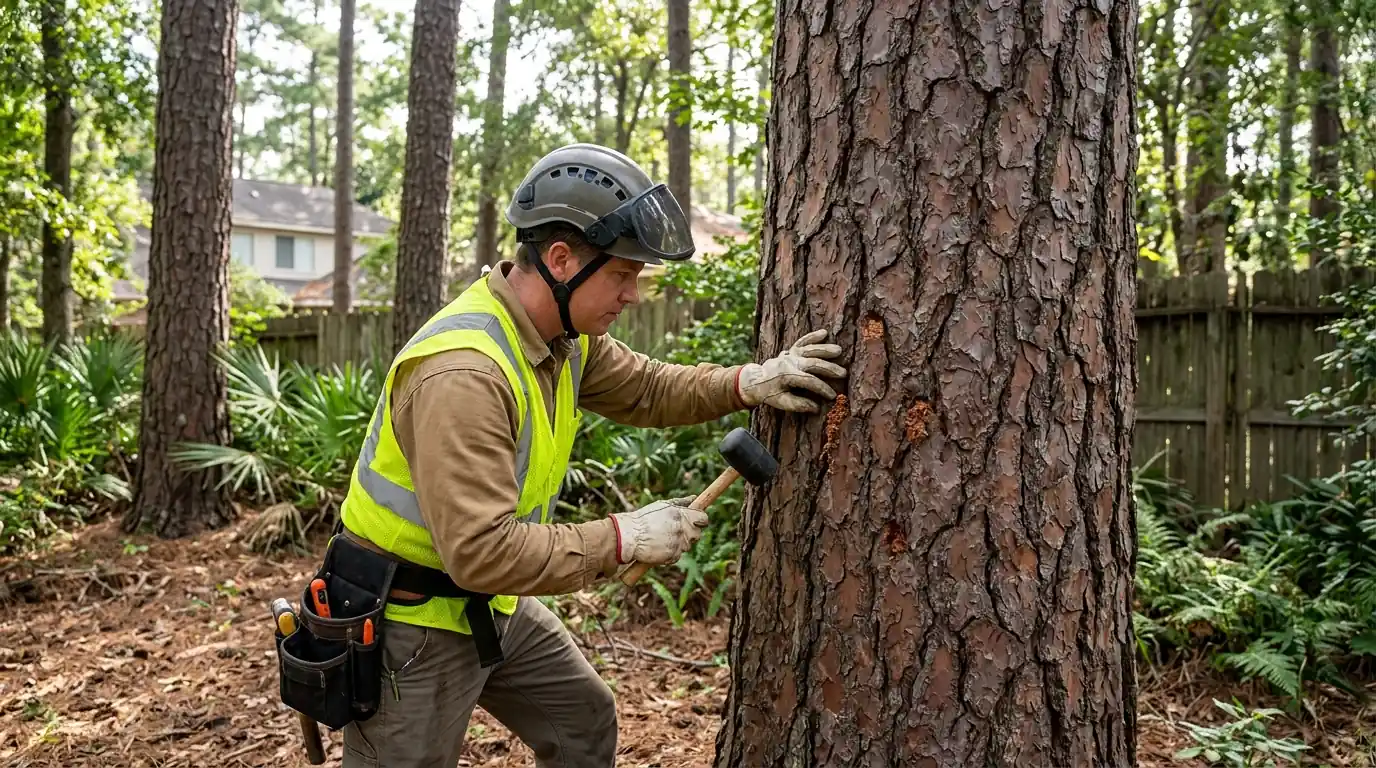 Tree Health & Planting
Short answer
Deep root fertilization in Houston begins with a soil test, because feeding only helps a tree that is actually short of something. Where the test shows a need, we inject a liquid mix through the root zone under the canopy. A balanced result means no feeding.
The job
When feeding helps, and when not
Deep root fertilization pushes a liquid mix into the soil through a probe, at sites spread across the root zone where the fine feeder roots work. It skips the turf, so the lawn does not take it.
It helps a tree short of a nutrient the test finds, or one rebuilding roots after damage. It does not fix compacted soil, drought, a buried root flare or disease, which need root zone care, water or disease work first. Fertilizer on top of those pushes leaves the roots cannot support.
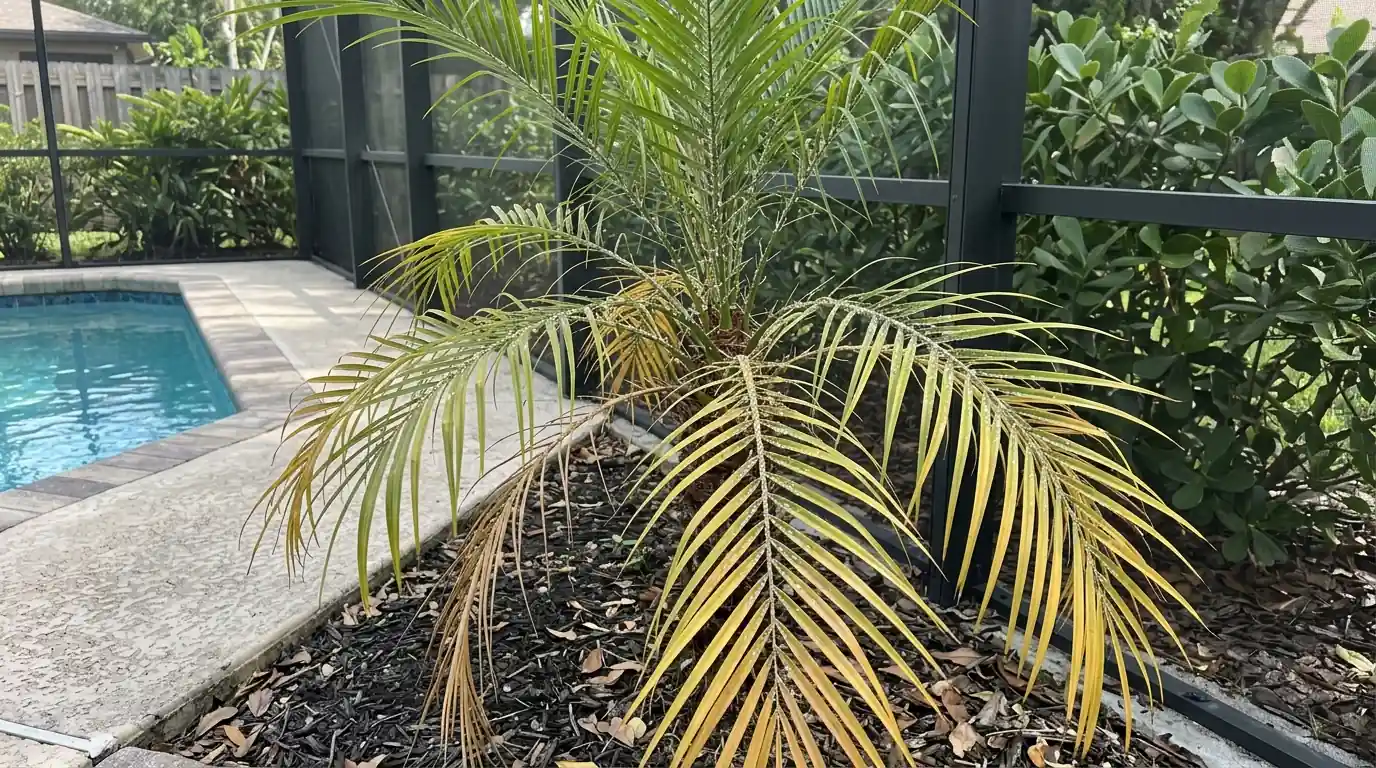
Recovery after storm damage
A tree that lost limbs or roots in a storm spends stored energy pushing new shoots, and a sparse, sprouty crown the next spring shows it. Fertilizer will not replace that energy; leaves do. Where the soil test shows a real shortage, a light feeding helps the tree rebuild without forcing a flush of soft growth. First we make sure the tree is worth the effort: a cracked trunk or torn root plate calls for a risk check first, not fertilizer.
Trees stressed by construction
Trenching, a new driveway or a pool dig can cut roots on one side of a tree, and heavy equipment packs the soil the rest of the roots depend on. The signs often show up a season or two later: thin crown, small leaves, dieback at the top on the damaged side. Feeding is a small part of the fix. Loosening compacted soil, mulching and steady watering matter more, and we feed only after a soil test confirms a real shortage.
Drought stress
Scorched leaf edges, leaves dropping early in August heat and a thin canopy point to water stress more than hunger. Fertilizing a drought-stressed tree can actually hurt, since salts in the mix draw water from the roots and new growth needs more water. The fix starts with deep, slow watering and mulch, and fertilizer waits until the tree is getting enough water again. A soil test then shows whether feeding has any role once it recovers, and often it has none.
Soil checks first
Pale or yellow leaves with green veins, on a tree in alkaline soil, usually mean it cannot take up iron or manganese even when they are present. General fertilizer will not fix that; the fix targets pH or the locked-up element. We pull soil samples from the root zone and send them for a lab test of pH and nutrients, then match the mix to the results. When a test comes back balanced, fertilizer is not the answer, and we say so.
Questions about your tree? Talk to a crew lead.
Call (704) 839-2139Warning signs
Signs worth a soil check
Pale, yellowing leaves
Leaves lighter green than normal, sometimes yellow with green veins.
Thin, small-leaved crown
New leaves smaller than last year's and more sky showing.
Dieback up top
Bare twigs at the upper tips, dying back toward the trunk.
Short new growth
Twig growth each season far shorter than it used to be.
Packed bare ground
Packed soil under the canopy where nothing will grow anymore.
Digging near roots
A new drive, trench, pool or addition inside the root zone.
Local conditions
Why deep root fertilization looks different on Houston's north side
In 2024 Texas A&M Forest Service cautioned that East Texas trees, stressed by hard freezes and drought three years running, were vulnerable to Ips beetles and hypoxylon canker. Feeding such a tree is tempting. Fertilizer will not stop a beetle attack or cure canker, but a tree with sound wood and a tested shortage can use the help as it recovers.
Sources: mail.scttx.com
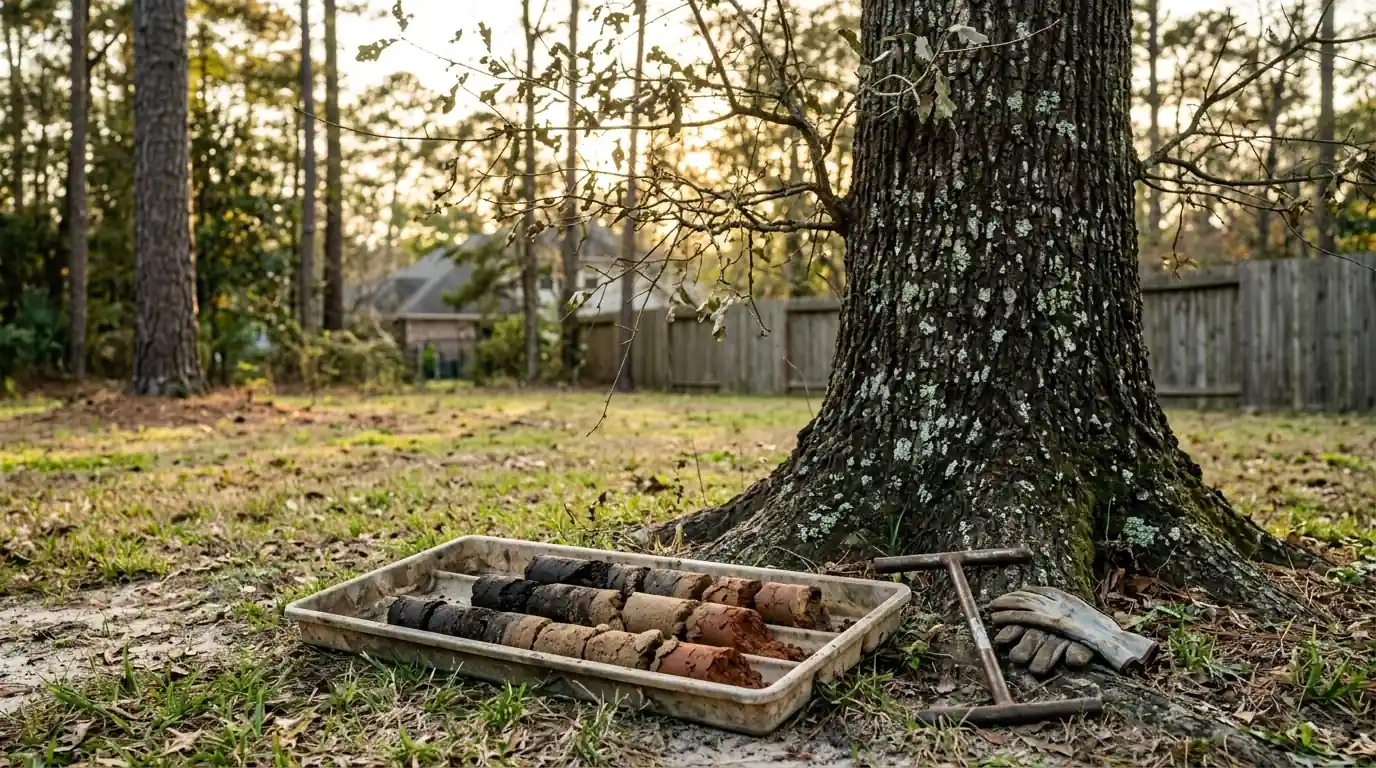
Step by step
Test to recheck
Tree check
We look at crown, trunk and soil to see if feeding fits.
Soil samples
Samples come from the root zone, not the lawn edge.
Lab results
pH and nutrient levels set the mix, or rule feeding out.
Root injection
The mix goes in at sites spread across the root zone.
Water and recheck
Water carries the mix down; the tree is rechecked next season.
Your options
Injection, soil work or water?
| Approach | When it fits | Tradeoff |
|---|---|---|
| Root zone injection | A tested shortage under turf | Feeds roots directly; retest later |
| Soil care first | Compacted or construction-damaged soil | Fixes the root environment; slower results |
| Water only | Drought stress with a balanced test | No fertilizer cost; needs steady watering |
What moves the price
Pricing a root feeding
The size of the root zone sets most of a feeding price, with the soil test and any follow-up feeding the next season added on top.
Canopy size
A wider canopy means a bigger root zone and more injection sites.
Soil testing
Lab testing of samples from the root zone adds to the first visit.
Ground conditions
Rock-hard summer clay or dense roots slow every probe placement across the zone.
Follow-up visits
Some trees need a second feeding or a retest the next season.
When a soil test shows a real shortage, yes, it gets nutrients past the lawn to the roots. On a tree lacking nothing, it adds cost and little else.
Spring and fall, when roots are growing and the soil is moist. Summer heat and drought are the worst time, since fertilizer salts stress dry roots.
Often not. Turf catches most of a surface feeding, and high-nitrogen lawn mixes push leaves without fixing what a tree lacks. Weed-and-feed products can also harm tree roots.
Usually over the following growing season, as better leaf color and longer shoots. A tree that keeps declining after feeding has a different problem, and we look for it.
Only if a nutrient is missing or locked up in the soil. Yellowing also comes from wet soil, root damage or disease, so we test and check roots first.
Very little. The probe leaves small holes in the turf that close up quickly, and injection sites are spaced to miss the large roots near the trunk.
Related work